

Glenelg & Southern Grampians LLEN
meaningful opportunities for young people
Established in 2002, Glenelg and Southern Grampians Local Learning and Employment Network (GSG LLEN) is committed to improving education, training and employment outcomes for children and young people in our region.
We are a strategic networking organisation that brokers partnerships for and between:
education and training providers,
businesses and industry,
community organisations
The GSGLLEN works to improve the education, employment and life outcomes for vulnerable students in the region including those identified as priority populations; such as, students and young people at risk of disengagement from education, students who face rural disadvantage and geographical isolation, indigenous young people and those with a disability.
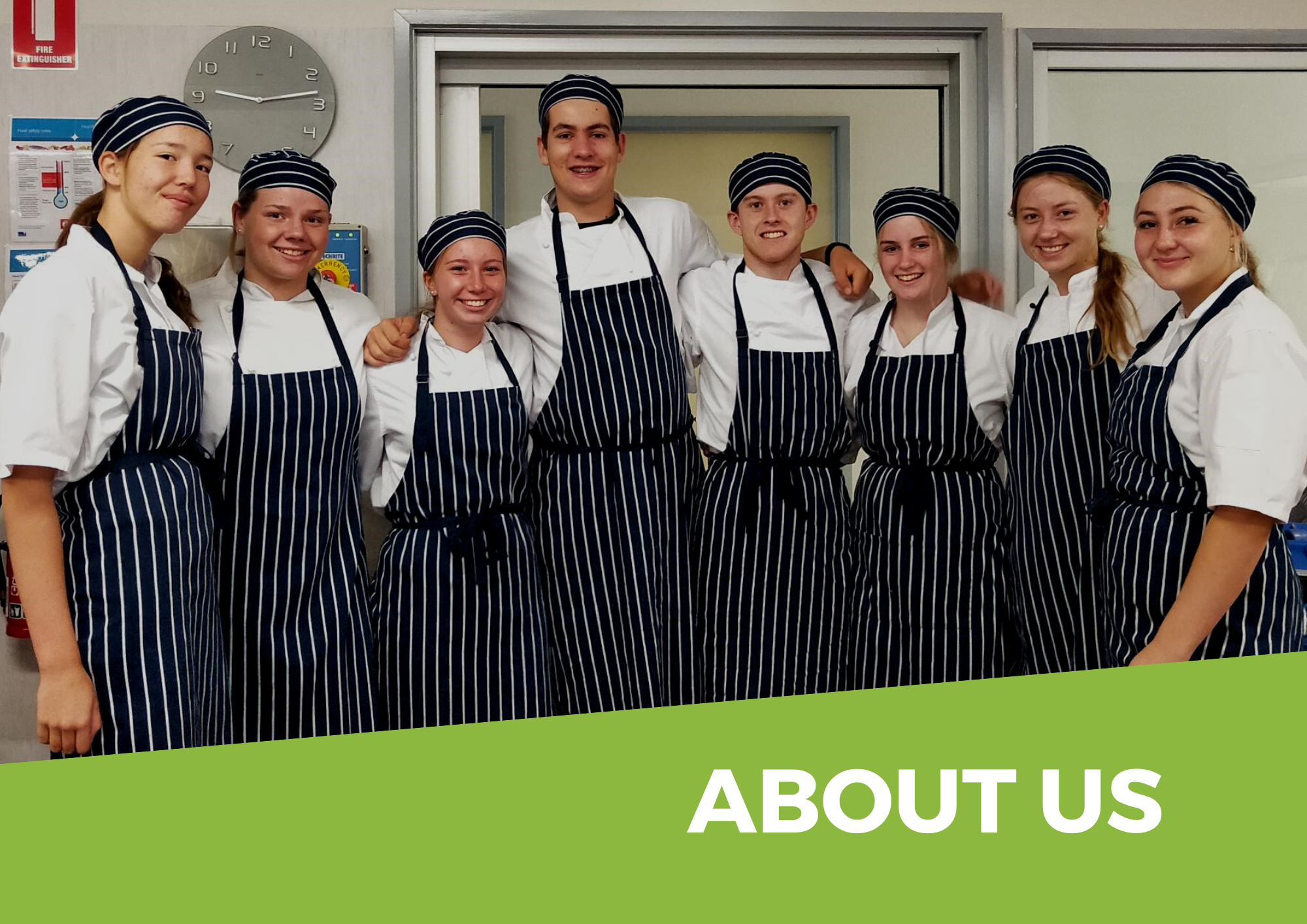
Established in 2002, The GSGLLEN has supported young people in their transitions from school to workplace. Click here to find out more about the GSGLLEN
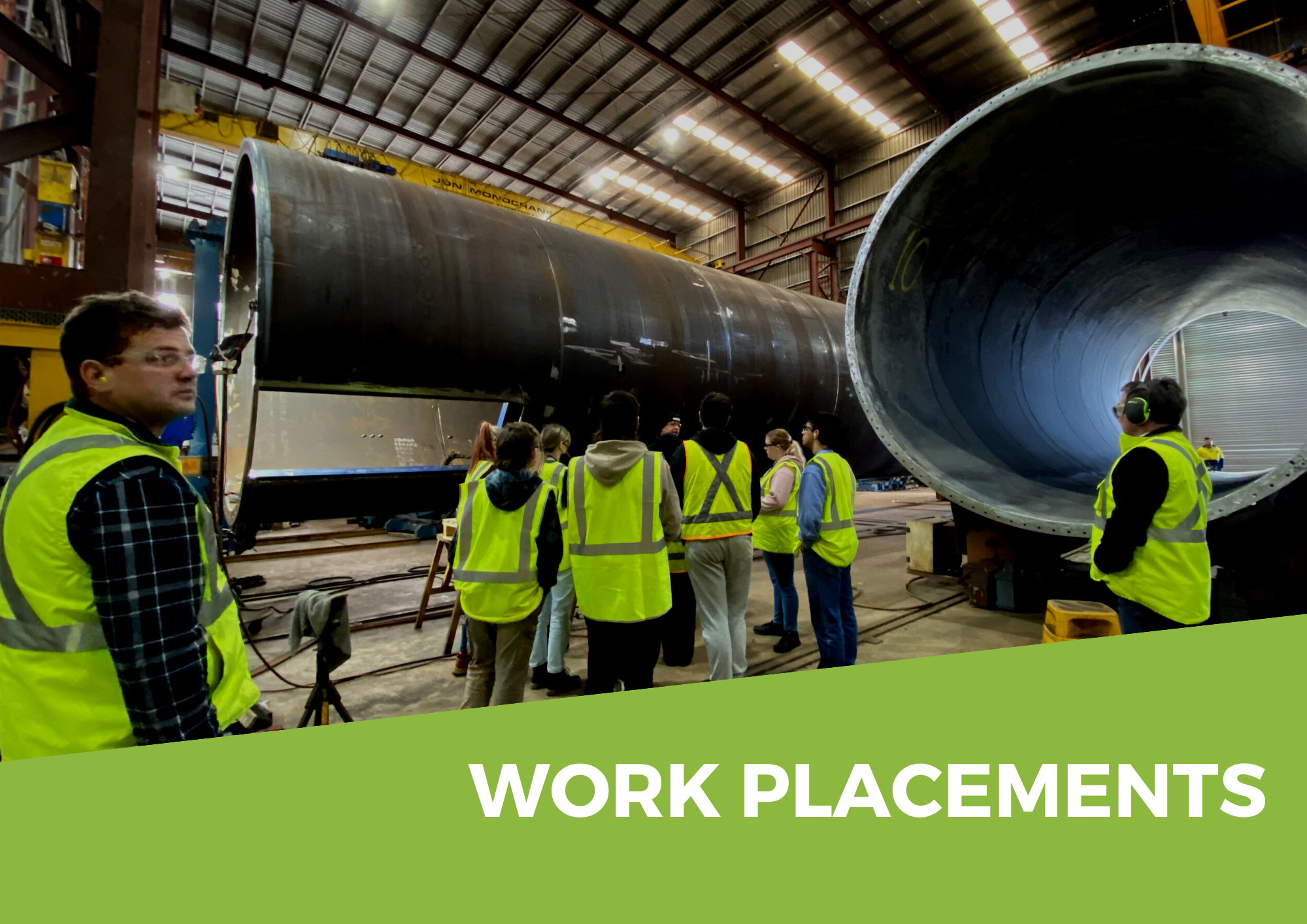
GSGLLEN supports students through work placements providing on-the-job training that allows students to develop their work skills and understand employer expectations. This is provided through Structured Workplace Learning (SWL), School based Apprenticeships and Traineeships (SBATs) and Work Experience. Click here to find our more about work placements
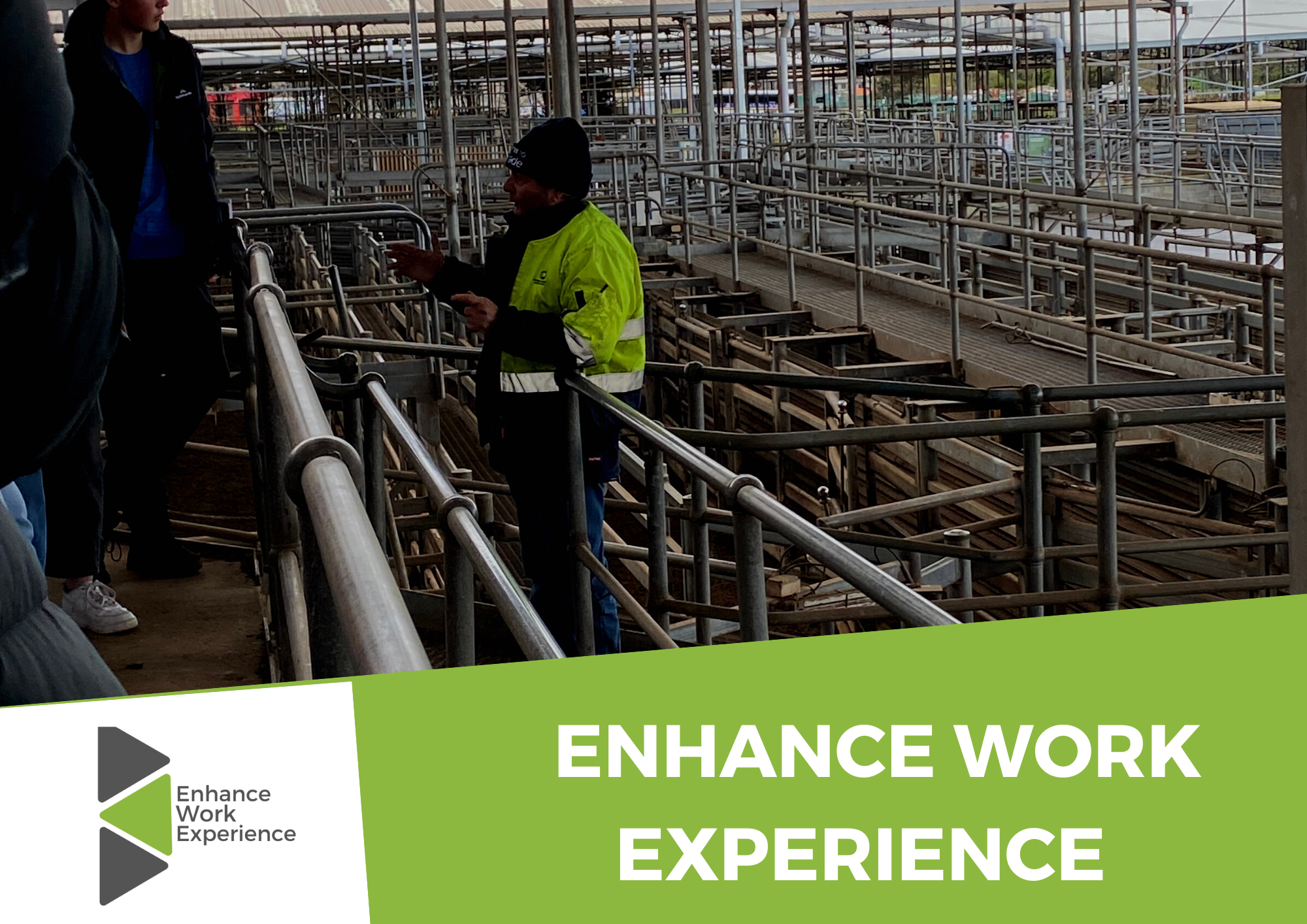
“Enhance Work Experience” aims to enhance career education & work experience opportunities by increasing access of rural students to ‘industries of choice’ in larger communities. Click here to find out more about Enhance Work Experience.

GSGLLEN has been an active participator and contributor to a number of local and regional partnerships which aim to improve the educational and economic participation of local young people. Click here to find out more abut our partners and other networks

Passport 2 Employment (P2E) is an innovative eight-week program, helping participants to build practical skills and access opportunities for further education and training. Click here for more information about P2E
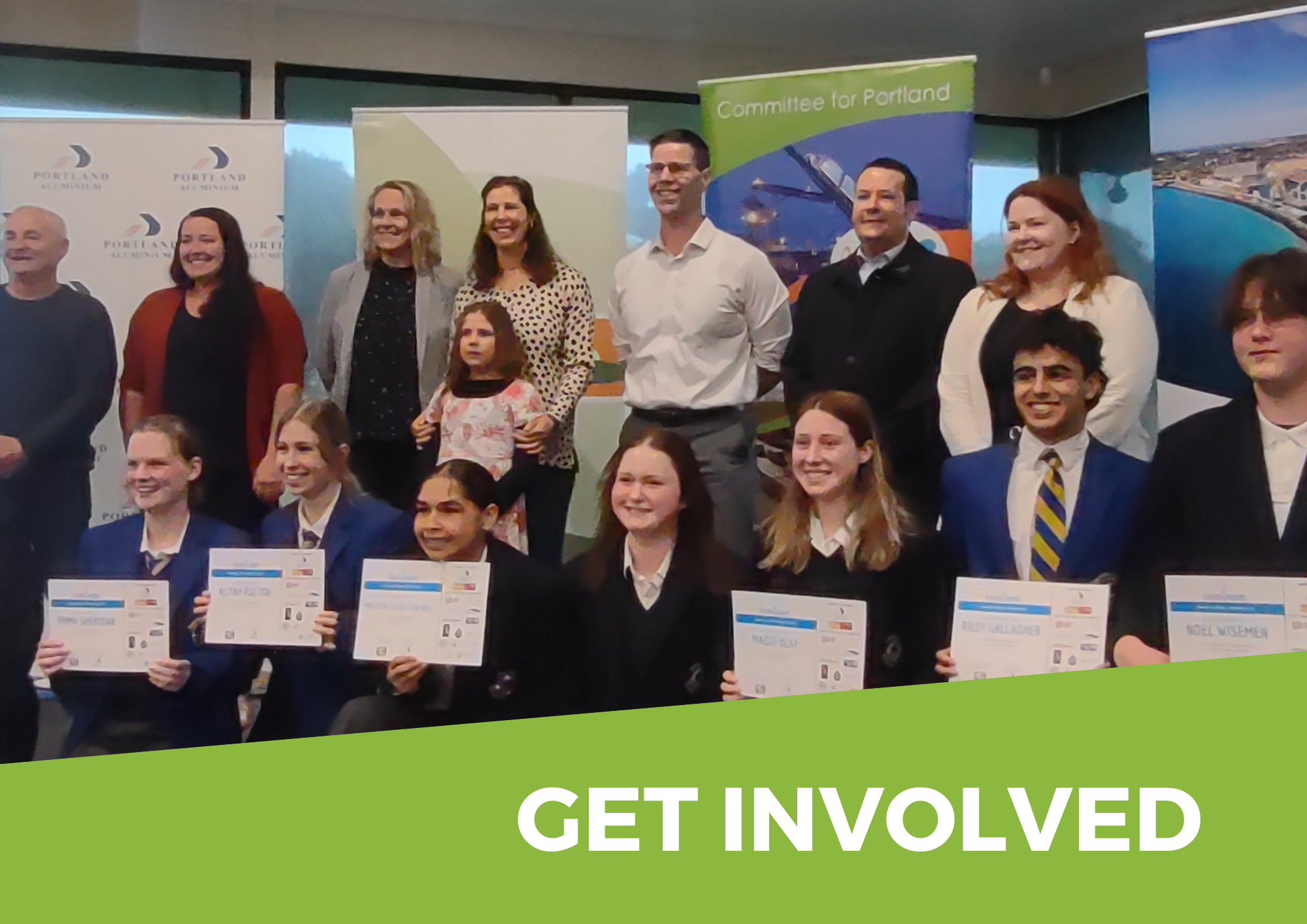
Are you an School, Employer or local organisation? Would you like to know more about how you can support GSGLLEN programs? Please click here if you want to find our more about becoming a member of the GSGLLEN. The GSGLLEN team are also available for more information in regards to the GSGLLEN, click here to contact us.

GSGLLEN supports young people to develop the skills and knowledge to help them move smoothly through their education and into the workforce. Click here to check out the pathways programs on offer through the GSGLLEN

The GSGLLEN youth leadership programs offer opportunities for youth to increase their confidence, build skills, knowledge and leadership capabilities and introduces students to different career opportunities within the region. Click here for more information regarding youth leadership programs

Meet the GSGLLEN team and discover how they can support you. Click here for contact us page

Become a GSGLLEN Member today
Help ‘‘future proof” our region by supporting the employees of tomorrow